Exclusive-use castle
Acton Castle
Praa Sands, Cornwall
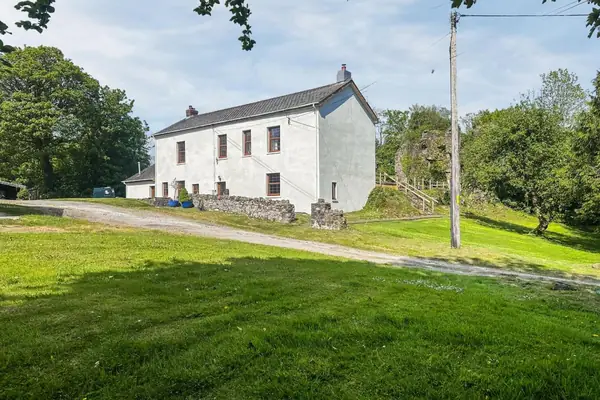
Level 4 Castle-Style MansionLevel 4: an 18th-century house built as a gentleman's retreat, not a fortification, and named and listed as a castle. The Garden Apartment is one of seven dwellings within the historic building.
Sleep inside the walls
Check prices and availability (opens in a new tab)
We may earn a commission if you book. It doesn't change our ratings. How we earn money
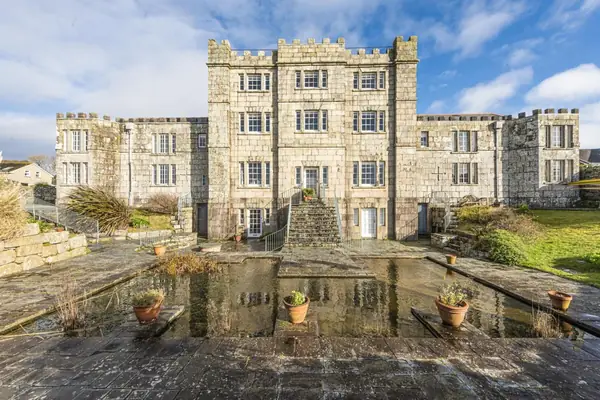
Acton Castle is a Georgian house above Mount's Bay near Praa Sands, Cornwall, built in the 1770s and designed by John Wood the Younger. Level 4: a country house, not a fortification. The Garden Apartment is one of seven dwellings inside it, suited to guests wanting Cornish coast views.
Quick facts
- Castle Authenticity Scale
- Level 4: Castle-Style Mansion
- Where you sleep
- Sleep inside the walls
- Built
- 1773 to 1775
- Architecture
- Georgian house designed by John Wood the Younger, with 19th and early 20th-century wing additions
- Heritage status
- Grade II* listed
- Restaurant
- No (hotel website)
- Exclusive use
- No (hotel website)
- Listed on Booking.com
- Parking, Free wifi
- Last checked
- September 2026
The story
The story of Acton Castle
Acton Castle was built between 1773 and 1775 above Mount's Bay near Praa Sands, Cornwall, for John Stackhouse, a pioneering researcher into seaweed classification, according to the property's own website. He is said to have named the house after his wife, Susanna Acton.
The architect was John Wood the Younger, who had recently completed the Royal Crescent in Bath, and the property's own account describes the central part of the building as brick faced with local granite. The house is Grade II* listed, according to the property's website, and looks out across Mount's Bay towards St Michael's Mount.
According to local lore recounted on the property's own website, the smuggler John Carter, known as the King of Prussia, used the castle as a hideout during Stackhouse's absences, and a tunnel to the cove below is rumoured but has not been found. Vice-Admiral Bulkeley Mackworth Praed, who navigated for Nelson at the Battle of the Nile in 1798, later lived there in retirement. Two wings were added in the late 1800s and further extensions followed in the early 1900s; the building operated as a country hotel for much of the 20th century before its conversion into separate apartments in the 1980s.
The sleep
Rooms at Acton Castle
Acton Castle today comprises seven separate dwellings under private ownership, according to the property's own website. The Garden Apartment is one of these, within the historic building rather than in a modern annexe.
The grounds
Around Acton Castle
The building stands above Mount's Bay, with views described on the property's own website as stretching from the Lizard to the Tater Du lighthouse, and towards St Michael's Mount.
What we'd flag
What we'd flag
- This is a privately owned apartment within a historic house rather than a hotel room, so facilities such as parking, wifi and reception services should be confirmed directly with the letting agent before booking.
- The story of a smuggler using the castle as a hideout, and of a tunnel to the cove below, is presented by the property itself as local lore rather than a confirmed historical record.
Who it's for
Who Acton Castle suits
This suits guests who want a self-contained apartment within a historic Georgian house on the Cornish coast, with sea views towards St Michael's Mount.
It does not suit guests looking for hotel services such as a restaurant, reception or daily housekeeping, since the building is now divided into privately owned holiday apartments.
Where Acton Castle is.
Map tiles from OpenStreetMap.
Also on these lists
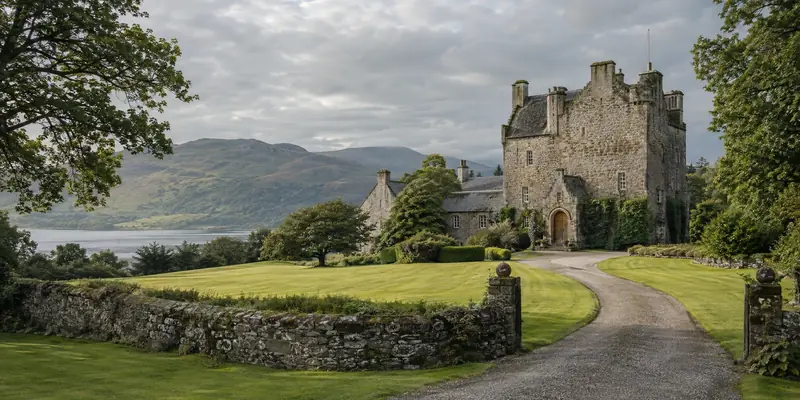
Similar stays nearby
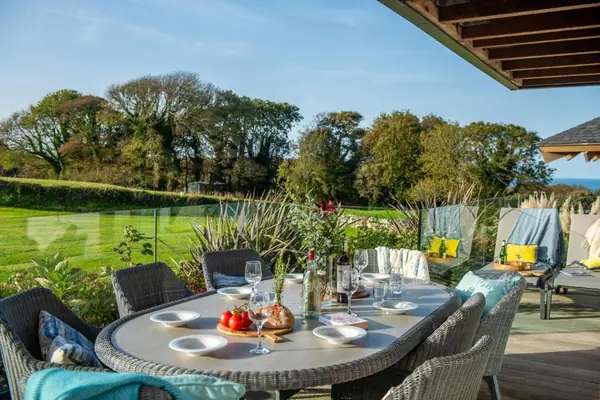
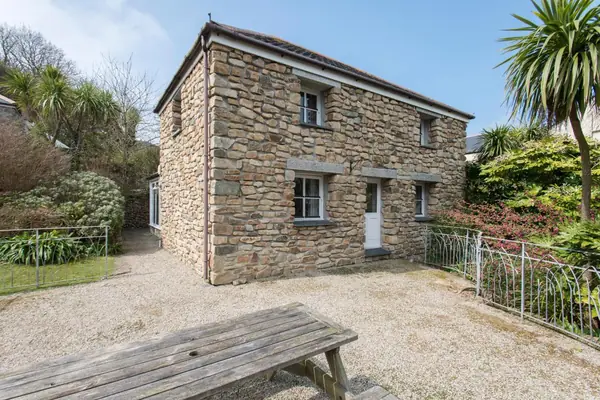
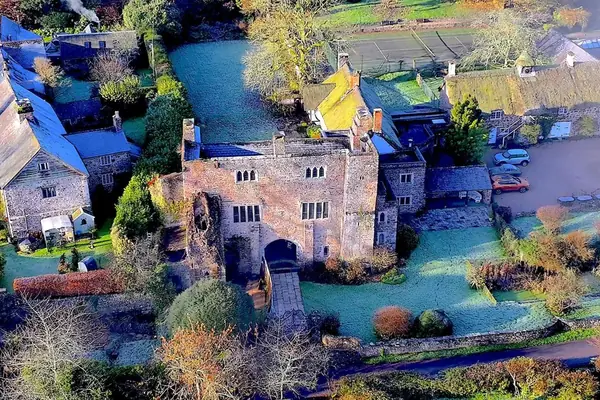
Level 2 Castle Estate Stay
Bickleigh Castle
Bickleigh, near Tiverton, Devon
Rooms outside the historic walls
- Dogs allowed
Level 0 Castle in Name Only
Green Castle
Llangain, Carmarthenshire
Rooms outside the historic walls
- Dogs allowed
- Hot tub
Acton Castle: questions
Is Acton Castle a real castle?
No, not in the fortified sense. It is a Grade II* listed Georgian house built between 1773 and 1775 as a gentleman's retreat for the researcher John Stackhouse, designed by the architect John Wood the Younger, according to the property's own website.
Who built Acton Castle?
It was built for John Stackhouse, an early researcher into seaweed classification, and designed by John Wood the Younger, the architect of the Royal Crescent in Bath, according to the property's own website.
Is Acton Castle haunted or linked to smugglers?
The property's own website recounts local lore that the smuggler John Carter, known as the King of Prussia, used the castle as a hideout, and that a tunnel to the cove below is rumoured but unconfirmed. This is presented as local legend, not established fact.
Can you stay at Acton Castle?
The building is divided into seven privately owned dwellings, according to its own website, and the Garden Apartment is one of these, let separately for holidays.
Sources and checks
Last checked: September 2026. We checked these sources for this page. Spotted something out of date? Tell us.
- actoncastle.com: 1775 construction date (general overview), John Wood the Younger, Grade listing, seven dwellings, smuggler legend
- actoncastle.com: 1773 to 1775 construction, John Stackhouse and naming after Susanna Acton, Grade II* listing, Vice-Admiral Bulkeley Mackworth Praed, 19th and 20th-century wing additions, conversion to apartments in the 1980s