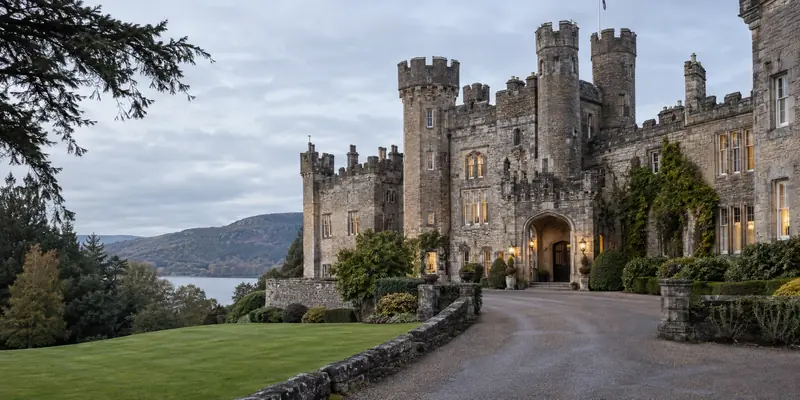
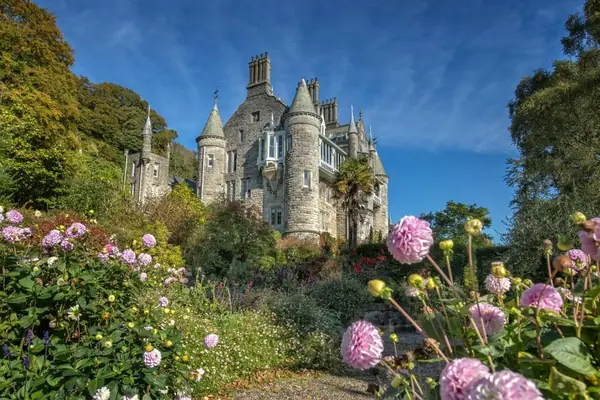
Castle hotel
Château Rhianfa
Menai Bridge, Anglesey (Ynys Môn)
Level 4 Castle-Style MansionLevel 4: a Victorian house built from 1849 to 1851 in French chateau style, not a defensive castle. Some rooms are in the original house, others in separate lodge and cottage buildings.
Some rooms inside the walls
Check prices and availability (opens in a new tab)
We may earn a commission if you book. It doesn't change our ratings. How we earn money
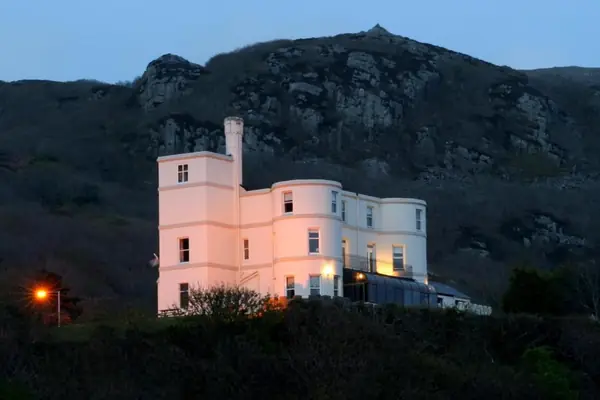
Château Rhianfa is a castle hotel on Anglesey, built between 1849 and 1851 in the style of a French Loire Valley chateau rather than a defensive castle. It is Level 4 on our scale, with some rooms in the original house and others in separate lodge and cottage buildings. It suits couples and wedding parties wanting Snowdonia views over the Menai Strait.
Quick facts
- Castle Authenticity Scale
- Level 4: Castle-Style Mansion
- Where you sleep
- Some rooms inside the walls
- Built
- 1849 to 1851
- Architecture
- French Gothic house in Loire Valley chateau style, designed by Charles Reed (also known as Charles Verelst) with Lady Sarah Hay-Williams
- Heritage status
- Grade II listed (the hotel's own site states Grade II; a separate source suggests Grade II star, an editor should confirm the exact grade with Cadw)
- Rooms
- 27
- Bedrooms
- 27
- Star rating
- Five-star (Booking.com)
- Guest rating
- 8.4 out of 10 on Booking.com (September 2026)
- Restaurant
- Yes (hotel website)
- Weddings
- Yes (hotel website)
- Listed on Booking.com
- Restaurant, Parking, Free wifi, Accessible rooms
- Last checked
- September 2026
The story
The story of Château Rhianfa
Château Rhianfa was built between 1849 and 1851 for Sir John Hay-Williams, 2nd Baronet, and his wife Lady Sarah Elizabeth, on an estate on the south coast of Anglesey overlooking the Menai Strait. The design was drawn up by Charles Reed, also known as Charles Verelst, working from Lady Sarah's own sketches of chateaux in the Loire Valley, including Blois and Chambord, according to background research on the building.
The house stayed with the Hay-Williams family until 1957. It was later converted into apartments before reopening as a hotel in 2012, according to the hotel's own site. The building's own site describes it as Grade II listed, though other research on the property points to the higher Grade II star, so the exact grade should be confirmed with Cadw before publication.
Château Rhianfa was built as a private house in a French castle style copying the Loire Valley, rather than as a defensive structure, which places it as a castle-style mansion rather than a true castle.
The sleep
Rooms at Château Rhianfa
The hotel has 27 bedrooms across several categories, from Standard Lodge Rooms to Superior Suites and Cottage Suites, according to its own site. Superior Suites are described as being in the main house, while Lodge Rooms and Cottage Suites are in separate buildings on the grounds.
Guests who want to sleep inside the 1849 to 1851 house itself should book a room in that main building rather than a Lodge or Cottage Suite, since those sit in later, separate structures on the estate.
The table
Eating at Château Rhianfa
The hotel has a wood-panelled Banqueting Hall and lounge areas used for dining, plus private dining rooms, according to its own site.
The grounds
Around Château Rhianfa
Château Rhianfa sits on the banks of the Menai Strait on the south coast of Anglesey, with views across to Snowdonia, according to the hotel's own site. The address is on Beaumaris Road, Menai Bridge.
The hotel is used as a wedding venue, with the grounds and interior features used for photographs, according to its own site.
What we'd flag
What we'd flag
- Not every room is in the original 1849 to 1851 house. Standard Lodge Rooms and Cottage Suites are in separate buildings on the estate, so ask for a Superior Suite in the main house if that matters to you.
- Sources differ on the exact listing grade (Grade II or Grade II star). Check the current Cadw record before quoting a specific grade.
Who it's for
Who Château Rhianfa suits
Château Rhianfa suits couples and wedding parties who want a Victorian house built in a distinctive French style with Snowdonia views, and who don't mind that some rooms are in separate lodge or cottage buildings rather than the main house.
Where Château Rhianfa is.
Map tiles from OpenStreetMap.
Also on these lists
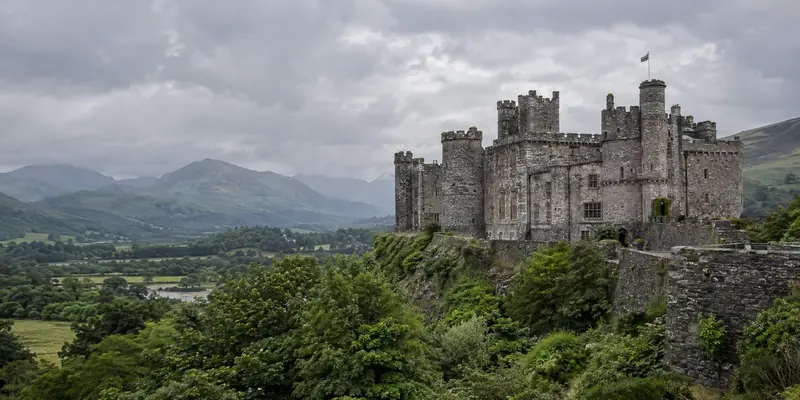
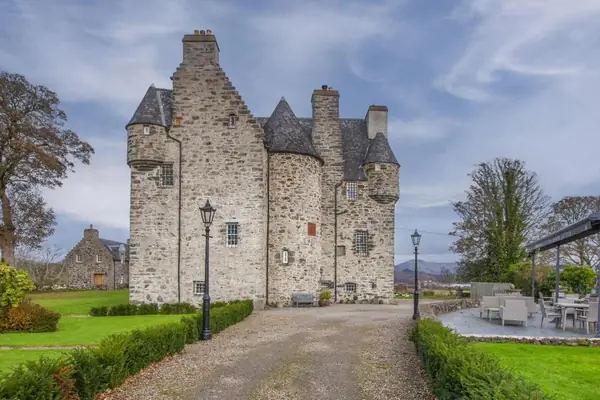
Similar stays nearby
Castle hotel
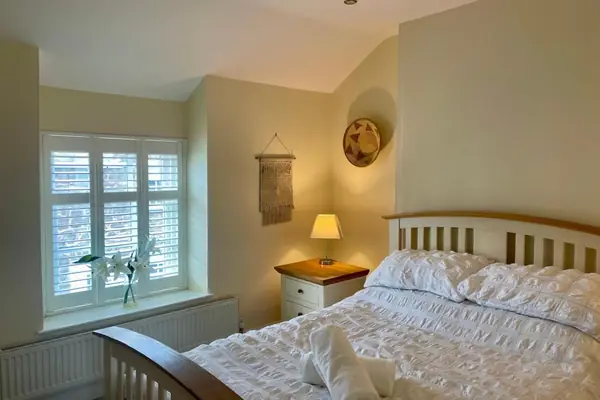
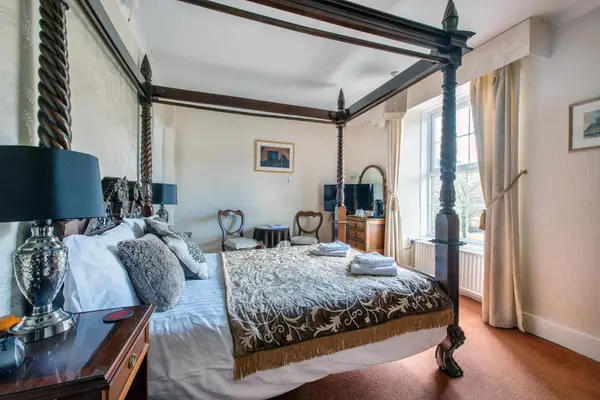
Elen's Castle Bed, Breakfast and Bar
Dolwyddelan, North Wales
Rooms outside the historic walls
- Restaurant
- Family rooms
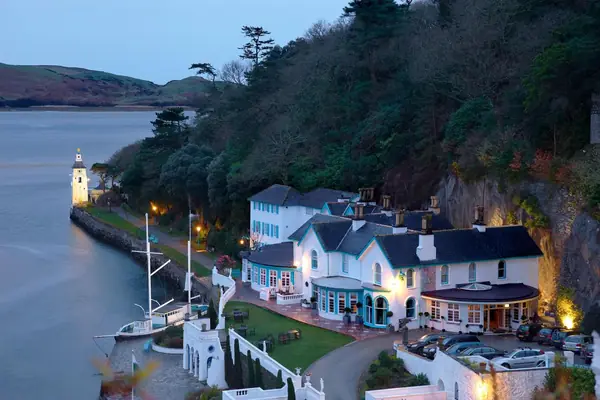
Level 4 Castle-Style Mansion
Portmeirion Village & Castell Deudraeth
Porthmadog, Gwynedd, North Wales
Some rooms inside the walls
- Pool
- EV charging
- Restaurant
Château Rhianfa: questions
Is Château Rhianfa a real castle?
No. It is a Victorian house built between 1849 and 1851 for Sir John Hay-Williams in a French Loire Valley chateau style. It was built as a private residence, not a fortification, though it is a genuine 19th-century historic building.
Who built Château Rhianfa?
Sir John Hay-Williams and his wife Lady Sarah Elizabeth had it built between 1849 and 1851, with the design based on Lady Sarah's sketches of French chateaux and drawn up by Charles Reed, also known as Charles Verelst.
Can you sleep inside the historic building at Château Rhianfa?
Some rooms, described as Superior Suites, are in the original house. Other categories, including Standard Lodge Rooms and Cottage Suites, are in separate buildings on the estate, so ask specifically if sleeping in the main house matters to you.
Can you get married at Château Rhianfa?
Yes. The hotel promotes itself as a wedding venue with several settings for ceremonies and photographs across the house and grounds, according to its own site.
Sources and checks
Last checked: September 2026. We checked these sources for this page. Spotted something out of date? Tell us.
- chateaurhianfa.co.uk: 1849 to 1851 build for Sir John Hay-Williams, Grade II listing claim, 27 rooms, room categories, Banqueting Hall, weddings, Menai Strait and Snowdonia location
- en.wikipedia.org: lead only: architect Charles Reed/Verelst, Loire Valley design inspiration, Grade II star listing claim, family ownership until 1957, conversion to apartments then hotel in 2012