Castle hotel
Portmeirion Village & Castell Deudraeth
Porthmadog, Gwynedd, North Wales
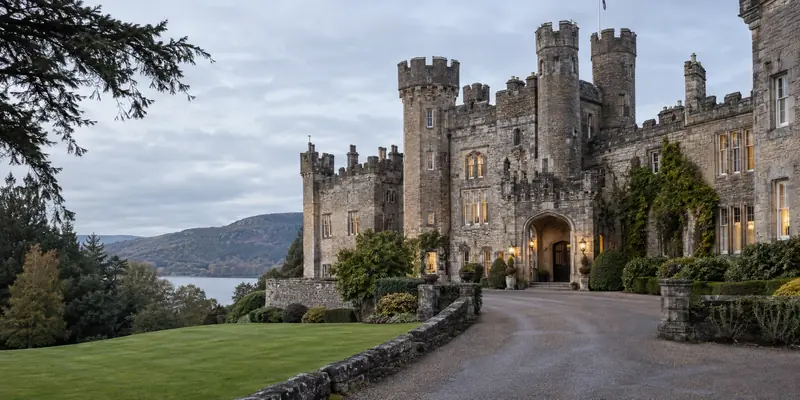
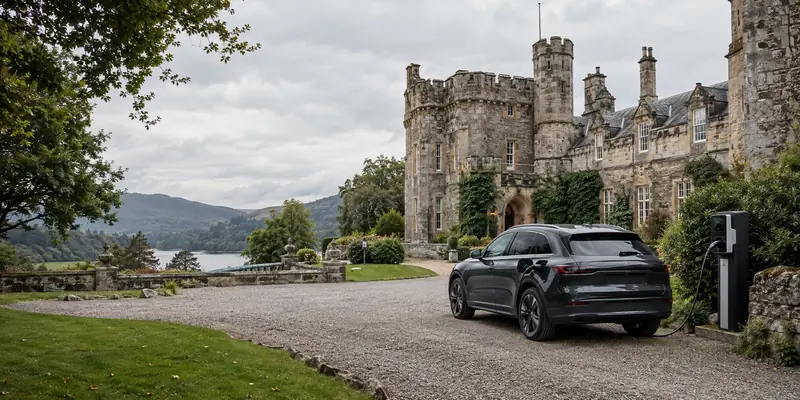
Level 4 Castle-Style MansionLevel 4: Castell Deudraeth is a house castellated in the 1840s, not a defensive castle. Only its 11 rooms sit inside the castellated building; other rooms are elsewhere in the village.
Some rooms inside the walls
Check prices and availability (opens in a new tab)
We may earn a commission if you book. It doesn't change our ratings. How we earn money
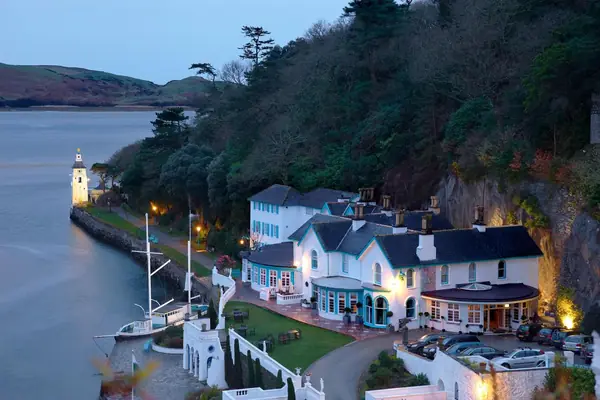
Portmeirion Village & Castell Deudraeth combines Sir Clough Williams-Ellis's Italianate village on the Dwyryd estuary with Castell Deudraeth, a castellated Victorian house that now forms one wing of accommodation. This castle hotel suits visitors drawn to the architecture and setting rather than to a fortified medieval building.
Quick facts
- Castle Authenticity Scale
- Level 4: Castle-Style Mansion
- Where you sleep
- Some rooms inside the walls
- Built
- House probably 18th century, castellated in the 1840s and 1850s
- Architecture
- Castellated country house in slatestone with a keep-like block, an octagonal corner tower and crenellated parapets
- Heritage status
- Grade II listed
- Rooms
- 69
- Star rating
- Four-star (Booking.com)
- Guest rating
- 9.2 out of 10 on Booking.com (September 2026)
- Restaurant
- Yes (hotel website)
- Weddings
- Yes (hotel website)
- Exclusive use
- No (hotel website)
- Listed on Booking.com
- Swimming pool, EV charging point, Restaurant, Parking, Free wifi, Accessible rooms
- Last checked
- September 2026
The story
The story of Portmeirion Village & Castell Deudraeth
Castell Deudraeth takes its name from a lost 12th-century castle that once stood nearby, though the building on the site today has nothing to do with that structure. The house standing there now probably dates from around the 18th century and was enlarged in the early 19th century into a sizeable manor known as Bron Eryri. In 1841 the lawyer David Williams bought the property, and over the 1840s and 1850s he enlarged and castellated it, adding crenellated parapets, an octagonal corner tower and a keep-like block, and gave it the name Castell Deudraeth. It was listed Grade II on 30 November 1966.
Sir Clough Williams-Ellis, the architect behind neighbouring Portmeirion, bought Castell Deudraeth and its parkland in 1931 from the trustees of his late uncle-in-law Sir Osmond Williams. He intended to fold the house into the wider Portmeirion resort as extra guest accommodation, but the plan was not carried out in his lifetime. It was only after a restoration programme by the Portmeirion Foundation that the house reopened as a hotel wing in 2001, the 75th anniversary year of Portmeirion village itself.
The sleep
Rooms at Portmeirion Village & Castell Deudraeth
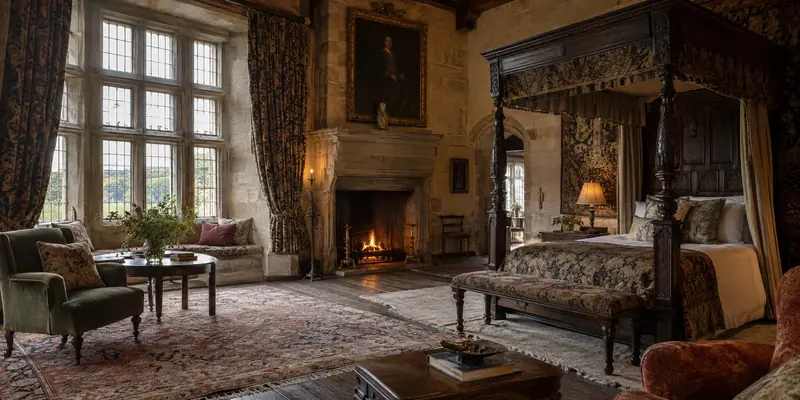
Castell Deudraeth holds 11 rooms and suites within the castellated building itself, finished with Welsh oak, slate and stone and underfloor heating throughout. The rest of the wider Portmeirion accommodation sits outside the castle building: Hotel Portmeirion has 14 bedrooms on the estuary shore, 32 individually styled Village Rooms are set among the buildings of Portmeirion village, and 12 self-catering cottages sleep from three to nine guests each.
Guests booking a room specifically inside Castell Deudraeth are staying in the 19th-century castellated house; guests booked into the village hotel, Village Rooms or cottages are not.
The table
Eating at Portmeirion Village & Castell Deudraeth
The Castell Deudraeth Brasserie operates inside the castellated building and overlooks an early Victorian walled garden. It serves as the main restaurant for guests staying in Castell Deudraeth, alongside further dining options in Hotel Portmeirion and the wider village.
The grounds
Around Portmeirion Village & Castell Deudraeth
Portmeirion village was designed and built by Sir Clough Williams-Ellis between 1925 and 1976 in an Italianate style, on a wooded peninsula above the Dwyryd estuary in Gwynedd. The wider grounds include Y Gwyllt Woodlands, around 70 acres of woodland with about 20 miles of paths, alongside features such as a dog cemetery and a Chinese lake. Among the village's notable buildings is Hercules Hall, an Arts and Crafts style structure that incorporates architectural elements salvaged from the demolished Emral Hall in Flintshire. Guests staying anywhere on the estate, including Castell Deudraeth, get free entry to the village and its gardens, and use of the heated outdoor swimming pool between April and September.
The village is best known outside Wales as the filming location for the television series The Prisoner, shot there in 1966 and 1967, with the Round House on Battery Square used as the fictional lead character's home; a shop in the village still sells related items today. Day visitors can also buy tickets to walk the village and gardens without staying overnight, sold at the site's tollbooths rather than in advance.
What we'd flag
What we'd flag
- The outdoor pool is heated but only open from April to September.
- Hotel guests get free entry to Portmeirion Village and Gardens, which day visitors must pay for.
- Complimentary transport from the local train and bus stations is available on request.
Who it's for
Who Portmeirion Village & Castell Deudraeth suits
Portmeirion and Castell Deudraeth suit visitors interested in Clough Williams-Ellis's architecture and the estuary setting, and families who want a self-catering cottage within walking distance of the village. It also suits couples looking for a wedding venue with a distinctive backdrop. It is a poorer fit for anyone expecting a genuine medieval castle to sleep in, since only a fraction of the estate's rooms are inside the 19th-century castellated house.
Where Portmeirion Village & Castell Deudraeth is.
Map tiles from OpenStreetMap.
Also on these lists
Similar stays nearby
Castle hotel
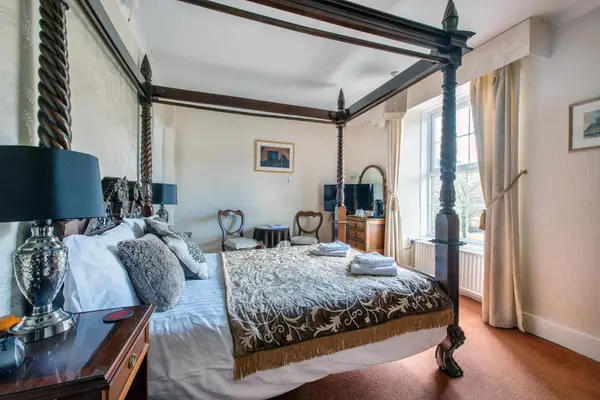
Elen's Castle Bed, Breakfast and Bar
Dolwyddelan, North Wales
Rooms outside the historic walls
- Restaurant
- Family rooms
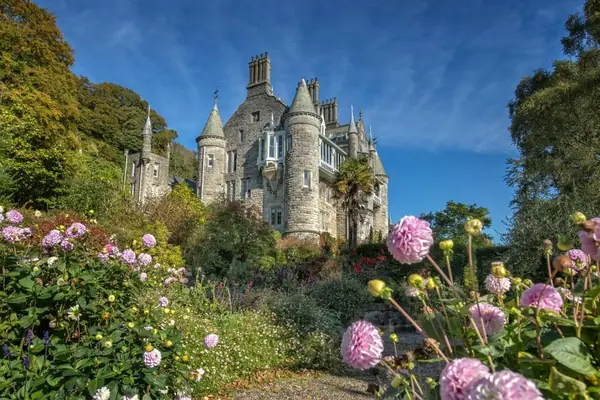
Level 4 Castle-Style Mansion
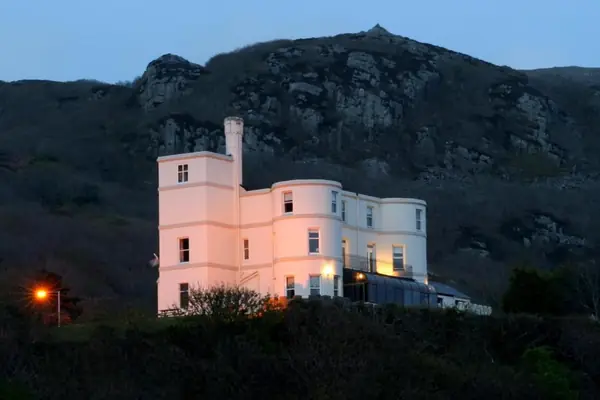
Château Rhianfa
Menai Bridge, Anglesey (Ynys Môn)
Some rooms inside the walls
- Restaurant
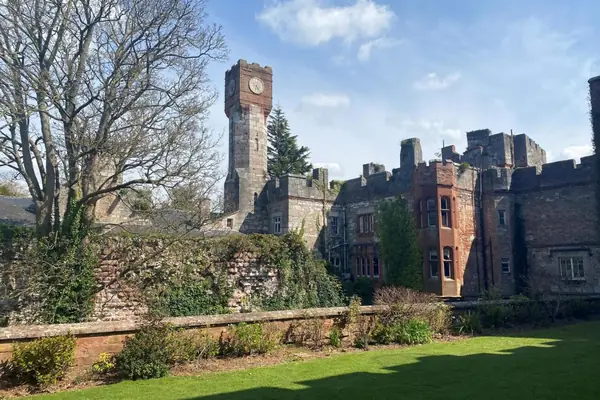
Level 4 Castle-Style Mansion
Ruthin Castle Hotel and Spa
Ruthin, Denbighshire
- Dogs allowed
- Spa
- Restaurant
Portmeirion Village & Castell Deudraeth: questions
Is Castell Deudraeth a real castle?
No. It is a house, probably 18th-century in origin, that the lawyer David Williams enlarged and castellated in the 1840s and 1850s. It has no medieval or defensive history, and only its own 11 rooms sit inside the castellated building.
Who built Castell Deudraeth?
The core house predates its castle look. David Williams bought it in 1841 and added the crenellated parapets, tower and keep-like block that give it its current castellated appearance, renaming it Castell Deudraeth after a lost 12th-century castle nearby.
Can you get married at Portmeirion or Castell Deudraeth?
Yes. The estate hosts weddings, with planning services offered through the Portmeirion website alongside its restaurant and accommodation.
Can you visit Portmeirion without staying overnight?
Yes. Portmeirion sells day tickets to non-residents, bought on arrival at the site's tollbooths rather than in advance, giving access to the village and gardens.
Sources and checks
Last checked: September 2026. We checked these sources for this page. Spotted something out of date? Tell us.
- britishlistedbuildings.co.uk: listing grade, listing date, building date, architectural description, ownership history
- portmeirion.wales: room count for Castell Deudraeth, interior finish, restaurant, weddings
- portmeirion.wales: breakdown of accommodation types across the wider Portmeirion estate
- portmeirion.wales: day-ticket access for non-residents
- portmeirion.wales: village founding dates, The Prisoner filming, Y Gwyllt Woodlands, visitor numbers
- portmeirion.wales: hotel Portmeirion listing status, description of Castell Deudraeth as a castellated folly